
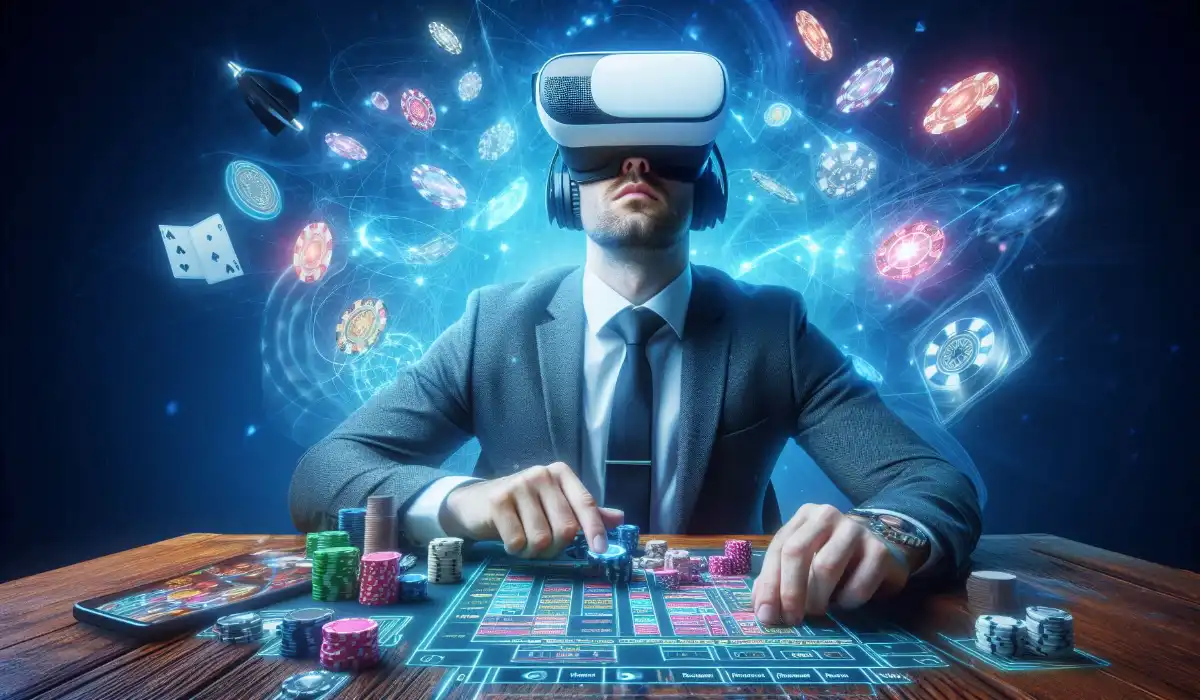
The gambling industry has always been at the forefront of adopting new technologies to enhance user experience. From the introduction of online casinos in the late 1990s to mobile gaming and cryptocurrency transactions, innovation continues to shape how people play and interact with casino games. Now, a new wave of transformation is on the horizon—the future of virtual reality in gambling. This emerging technology promises to revolutionize the way players experience games by merging the immersive power of VR with the thrill of betting.
Virtual reality (VR) gambling represents a fundamental shift from two-dimensional online play to fully interactive, three-dimensional environments. Players no longer just click buttons on a screen—they can now walk through digital casinos, interact with other players, and experience the ambiance of a real-world casino from the comfort of their home. As technology evolves, VR gambling is set to redefine entertainment, realism, and personalization within the gambling world.
What is Virtual Reality Gambling?
Virtual reality gambling combines immersive 3D environments with traditional casino gaming mechanics. Using a VR headset and motion controllers, players enter a simulated casino environment where they can explore gaming floors, sit at tables, and interact with dealers and other players in real time.
This goes beyond traditional online gambling, which relies on a flat interface. In VR casinos, players can:
- Physically move around the casino floor.
- Engage with virtual objects, such as slot machines or poker chips.
- Communicate with other participants using avatars.
- Experience realistic graphics, sound effects, and spatial awareness.
This blend of realism and interactivity provides a sensory-rich experience that mirrors land-based casinos while retaining the convenience of online access.
How Virtual Reality Enhances the Gambling Experience
Immersion and Realism
One of the biggest advantages of VR gambling is its immersive nature. The technology creates an environment that engages multiple senses, offering visuals, sound, and motion-based interactivity. Players can look around, pick up chips, and hear the chatter of other gamblers or the clinking of glasses. This sensory realism enhances emotional engagement, making every session more memorable.
Unlike standard online casinos that can feel detached, VR transforms gambling into a social and experiential activity rather than a solitary one.
Social Interaction
A major limitation of online gambling has always been the lack of human interaction. In virtual reality casinos, this gap disappears. Players can chat with others using built-in voice systems, observe their movements, and even exchange gestures.
This interaction replicates the community aspect of traditional casinos, fostering connection among users. The rise of social VR gambling environments also encourages tournaments, private tables, and group gaming, turning gambling into a shared experience once again.
Customization and Personalization
VR platforms enable players to customize their avatars, environments, and gaming preferences. Whether choosing the décor of a private poker room or creating a personalized gaming space, VR gives users full control over their experience.
Casinos can also use AI-driven personalization to enhance gameplay. For example, systems can analyze user behavior and recommend games or table settings suited to individual preferences, creating an adaptive experience that evolves over time.
Innovative Game Design
The immersive potential of VR opens doors for entirely new types of gambling experiences. Developers can create 3D slot games, skill-based environments, and interactive quests that blend gaming and gambling. Imagine walking through a treasure-themed slot world or participating in a virtual horse race where players can physically view and cheer for their chosen horse.
By blending traditional gaming with interactive storytelling, VR pushes the boundaries of what gambling entertainment can be.
The Technology Behind VR Gambling
Virtual reality gambling relies on a combination of hardware and software innovations that make immersive gameplay possible.
VR Headsets and Controllers
The backbone of the experience lies in the headset and motion controllers. Devices like Meta Quest, HTC Vive, and PlayStation VR provide 3D visuals and head tracking that simulate presence within a virtual world. Motion sensors detect player hand movements, allowing realistic interactions such as shuffling cards or spinning a roulette wheel.
Blockchain and Cryptocurrency Integration
Cryptocurrency has already made waves in online gambling, and VR environments amplify its potential. Blockchain technology ensures transparency, security, and anonymity in transactions, which are critical in digital casinos. Many VR casinos are expected to use cryptocurrency as their default payment method, allowing seamless, borderless transactions.
Artificial Intelligence (AI) and Machine Learning
AI enhances realism by powering responsive environments and intelligent non-player characters (NPCs). Dealers, for example, can respond naturally to player behavior. AI also enables responsible gambling measures, detecting unusual activity patterns and offering support or self-exclusion reminders when necessary.
5G and Cloud Gaming
The rollout of 5G networks and advancements in cloud computing reduce latency and improve streaming quality, both essential for VR environments. High-speed connectivity ensures that players can experience lag-free gaming with smooth visuals and real-time interactions, regardless of their location.
Potential Applications of Virtual Reality in Gambling
The future of virtual reality in gambling is not limited to recreating traditional casino games—it extends into innovative applications that merge entertainment, competition, and education.
Virtual Casino Floors
The most immediate application is the creation of fully immersive casinos where players can explore realistic environments. These spaces replicate real-world casino layouts, complete with dealers, slot machines, and poker rooms. Players can interact with each other, watch games unfold, and enjoy a sense of physical presence that traditional online platforms cannot provide.
eSports and VR Betting
The intersection of VR and eSports introduces a new category of gambling. Spectators can join virtual arenas, place bets on real-time matches, and even experience the game from the player’s perspective. This level of immersion changes the nature of sports betting and creates deeper engagement.
Virtual Reality Poker Rooms
Poker is one of the most popular gambling games, and VR has already enhanced it significantly. Players can read virtual body language, use gestures, and maintain eye contact, recreating the strategic depth and social interaction found in live poker games.
Educational and Training Environments
VR gambling is not just for entertainment; it can also serve educational purposes. Training platforms can simulate casino environments for new dealers or provide tutorials for beginners learning the mechanics of games like blackjack or roulette.
Challenges and Barriers to Adoption
While the future of VR gambling looks promising, several challenges must be addressed before widespread adoption.
High Cost of Equipment
VR headsets and compatible hardware remain relatively expensive, limiting accessibility for casual players. Although prices are gradually decreasing, cost remains a barrier to entry.
Technical Limitations
VR environments require powerful systems to render graphics and process real-time interactions. Users with older hardware or slow internet connections may experience lag, which can disrupt gameplay.
Regulatory Hurdles
Regulation in gambling is complex, and virtual reality introduces new challenges. Jurisdictions must consider how to apply existing gambling laws to immersive environments, particularly regarding age verification, fairness, and responsible gaming.
Privacy and Data Security
Because VR systems collect vast amounts of data—including movement, voice, and biometric information—privacy protection is critical. Casinos must ensure strict cybersecurity protocols to protect user data and prevent misuse.
Risk of Addiction
The realism and immersion that make VR gambling attractive can also increase the risk of compulsive behavior. Developers and operators must integrate responsible gambling measures, such as playtime reminders, deposit limits, and break suggestions, to promote healthy gaming habits.
The Role of Responsible Gambling in the VR Era
As gambling becomes more immersive, promoting responsible behavior becomes essential. Developers are already exploring solutions such as:
- In-game reminders that notify players of session length or losses.
- AI-driven risk detection that monitors betting patterns for signs of addiction.
- Virtual counselors or automated assistants to offer support or redirect players toward help resources.
The future of VR gambling must prioritize player well-being to maintain long-term sustainability and trust.
The Future Outlook: What Comes Next?
Virtual reality in gambling is still in its early stages, but the next decade promises significant transformation. Industry analysts predict exponential growth as technology becomes more affordable and accessible. Future developments will likely include:
- Fully interconnected VR casino metaverses where players own virtual property and assets.
- Realistic haptic feedback technology that simulates touch sensations.
- Integration with augmented reality (AR) to blend physical and digital gaming experiences.
- Cross-platform compatibility allowing mobile and desktop users to join VR worlds seamlessly.
As hardware becomes more compact and affordable, virtual reality gambling will shift from novelty to mainstream entertainment. Players will no longer differentiate between digital and physical casinos—they will coexist in a single, interconnected ecosystem.
FAQs
1. How does virtual reality gambling differ from online gambling?
Virtual reality gambling offers an immersive, interactive experience where players can move, communicate, and interact within a 3D casino environment, unlike traditional online gambling, which is limited to screens and clicks.
2. What equipment is required for VR gambling?
Players need a VR headset, motion controllers, and a compatible device such as a gaming PC or console. Some platforms also support standalone headsets.
3. Is VR gambling safe and fair?
Yes, as long as players use licensed platforms that employ blockchain technology and RNG (random number generation) systems to ensure fairness and transparency.
4. Will virtual reality replace traditional casinos?
VR is unlikely to replace traditional casinos entirely but will complement them. It offers a new way for players to experience gambling without geographical limitations.
5. Can VR gambling help promote responsible gaming?
Yes. With AI integration, VR casinos can track player behavior in real-time and implement interventions such as time limits, spending caps, and reminders to maintain responsible play.
The rise of virtual reality in gambling represents the next major leap in casino innovation. By combining cutting-edge technology, social interactivity, and realistic environments, VR is transforming gambling from a passive activity into a fully immersive experience. While challenges like regulation and accessibility remain, its potential to reshape entertainment and engagement in the gambling industry is undeniable. The future of gambling will not just be played—it will be experienced.


